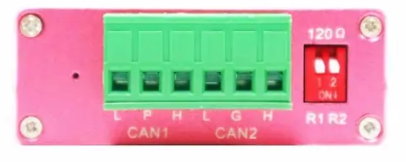
In modern electronic devices and embedded systems, various communication interfaces play a crucial role. GPIO (General Purpose Input and Output), LAN (Local Area Network), RS485, RS232 and CAN (Control Area Network) interfaces have their own characteristics and adapt to different needs and application scenarios. This article will explore the characteristics of these interfaces and how they perform in real-world applications.
1. GPIO (General Purpose Input and Output)
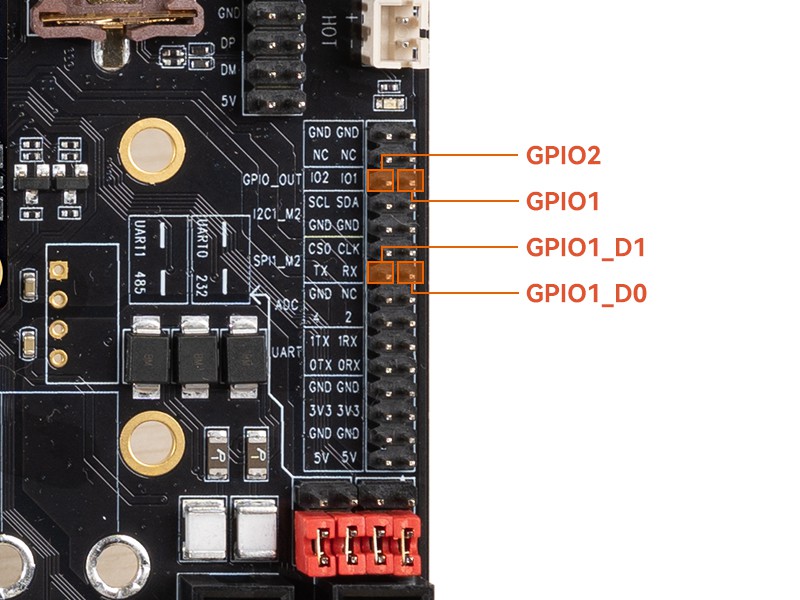
A GPIO is a general-purpose digital signal interface whose primary function is to act as an input or output port that enables a microcontroller to communicate with external devices. Each GPIO pin can be independently configured as an input or output state to support the transmission of high and low level signals.

Peculiarity:
1. Flexibility: GPIOs can be configured in multiple modes to meet different signal needs.
2. Simplicity: Compared with other complex communication protocols, GPIO is relatively simple to use and program, making it suitable for small applications and prototype development.
3. Low cost: Most microcontrollers integrate multiple GPIO interfaces, reducing hardware costs.
Application Scenarios:
GPIOs are commonly used in low-speed control systems such as LED indicator control, button input, sensor data acquisition, etc., and are the default choice for a variety of small electronic projects and prototyping.
2. LAN (Local Area Network)
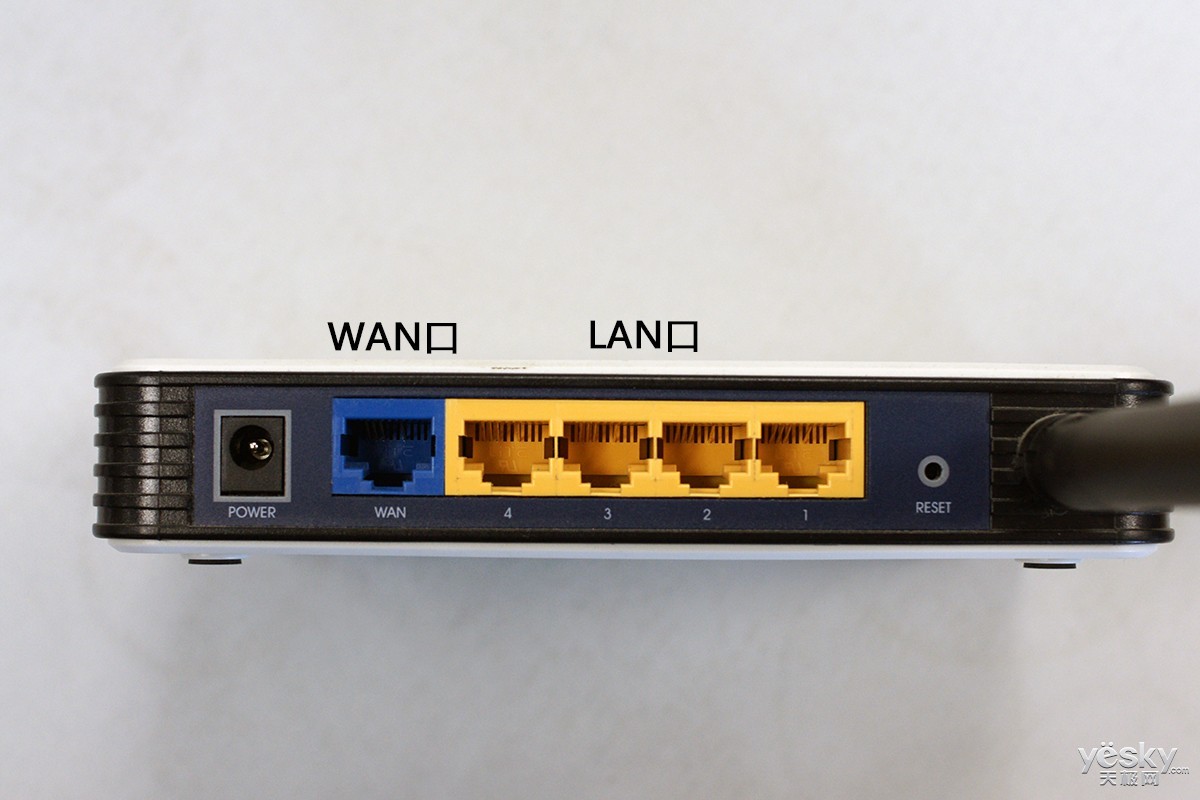
The LAN interface connects multiple devices in the network for data transmission and resource sharing. Ethernet is a common LAN technology that is widely used in computer networks.
Peculiarity:
1. High-speed transmission: LAN supports high-speed data transmission and can meet the needs of large data processing.
2. Network stability: LAN operates in a limited area and usually has good network stability.
3. Multi-device support: Through routers or switches, multiple devices can be easily connected to the same network to achieve resource sharing.
Application Scenarios:
LAN is widely used in scenarios such as network connection in offices, surveillance systems in large buildings, and smart home control, and is suitable for applications that require a large amount of data transmission and device interconnection.
3. RS485
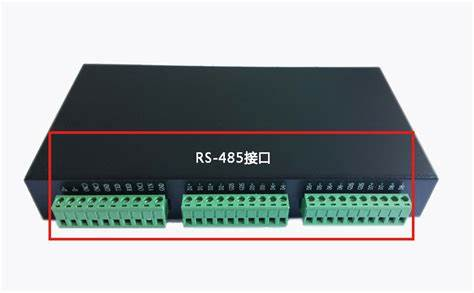
RS485 is a differential serial communication standard, which transmits data through symmetrical lines, and has the characteristics of strong anti-interference ability and long transmission distance.
Peculiarity:
1. Long-distance communication: RS485 supports stable data transmission at a distance of about 1200 meters, which makes it perform well in complex environments.
2. Multi-host support: allows multiple devices to communicate on the same network, suitable for multi-node systems.
3. Anti-interference: Due to its differential signal transmission characteristics, RS485 has extremely high anti-interference ability in industrial environments.
Application Scenarios:
RS485 is widely used in industrial automation, building control, instrumentation and other occasions, especially in environments that require long distances and multiple nodes.
4. RS232
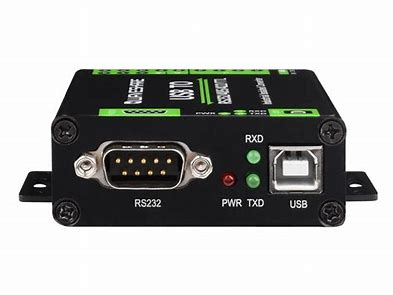
RS232 is a classic serial communication protocol that is typically used for shorter-distance device-to-device communication. It is common in connections between computers and external devices.
Peculiarity:
1. Simple and easy to use: The physical connection and signal protocol of RS232 are relatively simple, easy to implement and debug.
2. Low cost: Due to its simple use circuit, RS232 has a low implementation cost and is usually used in low-speed equipment.
3. Short-distance transmission: suitable for short-distance data transmission of no more than 15 meters, suitable for small communication environment.
Application Scenarios:
RS232 is commonly used in short-range communication applications such as data acquisition, POS terminals, printer connections, etc., but due to its large limitations, it is gradually being replaced by other more efficient interfaces in modern devices.
5. CAN (Control Local Area Network)
CAN is an efficient, bidirectional communication protocol for automotive and industrial automation for distributed control systems.
Peculiarity:
1. Real-time: CAN can process messages at a very high speed and in real time, which is suitable for applications with high real-time requirements.
2. Multi-host competition: The CAN bus allows multiple controllers to access the bus through priority competition, which improves the resource utilization of data transmission.
3. Error detection: The built-in error detection and fault tolerance mechanism makes it still operate stably in harsh environments.
Application Scenarios:
CAN is widely used in automotive electronics, industrial automation, robot control and other fields, and can effectively exchange and communicate data under a variety of strict conditions.
conclusion
In the current rapid development of electronic technology, interfaces such as GPIO, LAN, RS485, RS232, and CAN have their own unique characteristics and application scenarios. Understanding the characteristics of different interfaces and their applications is critical for engineers and technicians when designing circuits and selecting components. Through the reasonable selection and application of these communication interfaces, the performance and stability of the system can be effectively improved, and the progress of the industry and the innovation of applications can be promoted.